





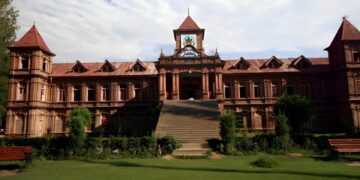












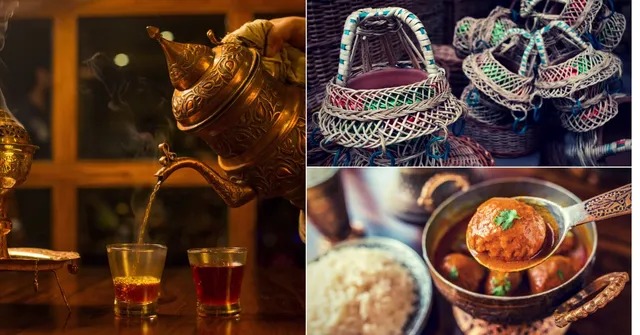
Kashmir is often described as a paradise for its breathtaking landscapes, but its true splendour lies just as deeply in its culture, a living tapestry woven from centuries of history, poetry, artistry, and shared traditions. From the gentle cadence of the Kashmiri language to the grace of its crafts, from the warmth of its communal etiquettes to the depth of its spiritual heritage, Kashmir’s culture stands apart for its refinement and resilience. Yet, this uniqueness, built painstakingly over generations, now faces subtle erosion, making preservation not merely a cultural duty but a collective responsibility for every Kashmiri. The essence of Kashmiri culture has always been its balance, the harmony between spiritual and worldly life, between art and survival, between individuality and community. Whether it is the wanwun sung at weddings, the fragrance of kahwa prepared in old-fashioned samovars, or the intricate designs of pashmina and khatamband, each tradition carries within it the memory of a people and the continuity of a civilisation. These are not mere practices but identities, anchoring Kashmiris to their past while guiding their future. However, the pressures of modernity, migration, and changing lifestyles have begun to distance the youth from these cultural roots. Language, especially, is quietly slipping away, replaced by more dominant tongues. Traditional arts struggle to survive amid cheaper machine-made imitations. Even social customs, once the backbone of community bonding, are increasingly seen as burdens rather than treasures. When a society loses its cultural markers, it loses more than aesthetics, it loses its sense of self. This makes it imperative for Kashmiris to reclaim pride in their heritage. Cultural preservation is not about resisting change, it is about ensuring that change does not erase identity. Schools can introduce curricula that teach language, folklore, and traditional crafts. Families can consciously keep age-old customs alive at home. Local artists and artisans must be supported through patronage and platforms that highlight their work. Community-driven efforts, festivals, cultural clubs, and heritage walks, can help reconnect younger generations with what truly belongs to them. Kashmir’s culture has survived invasions, upheavals, and historical shifts because its people cherished it. Today, in a rapidly globalising world, that same commitment is needed more than ever. Preserving Kashmir’s traditions is not simply about saving the old, it is about safeguarding the soul of a society that has always found beauty, wisdom, and unity in its cultural roots.








Independent news agency based in Kashmir, committed to delivering reliable, unbiased, and timely news.