

















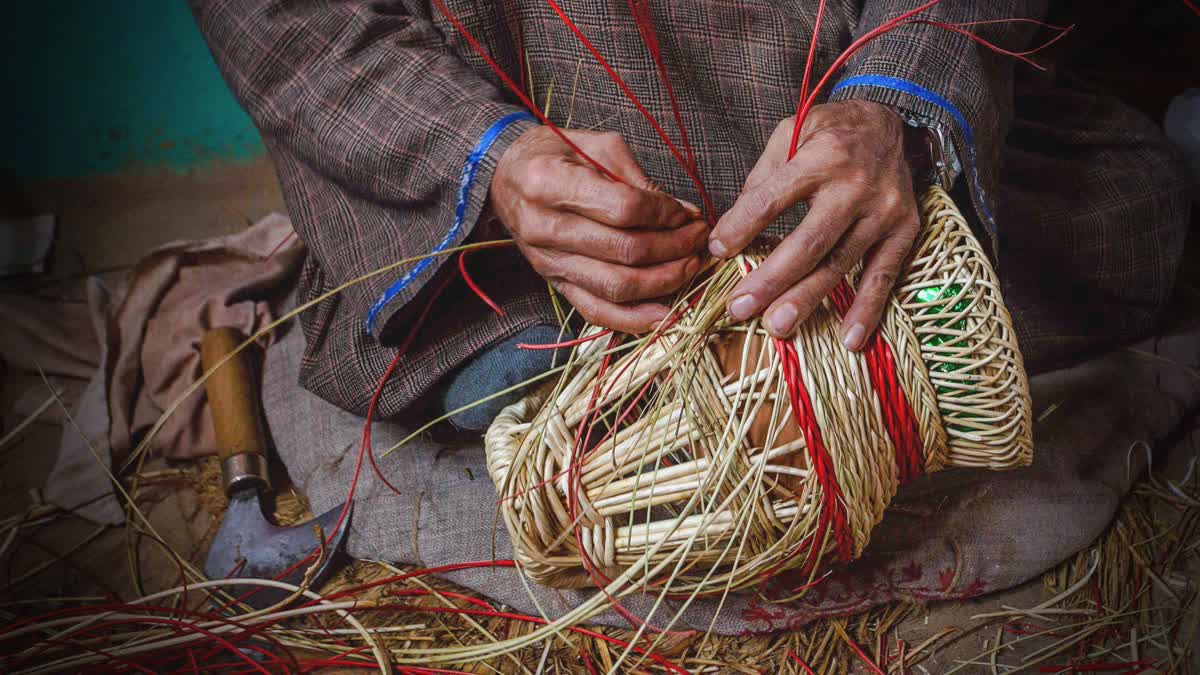
In an age defined by innovation, automation and an ever-expanding market of modern heating gadgets, it is remarkable that a simple earthen pot wrapped in wicker, the Kangri, continues to hold its place at the heart of Kashmiri winters. While technology promises ease and efficiency, the Kangri offers something more enduring, a blend of tradition, practicality and cultural warmth that no device has yet been able to replace. The Kangri is not just a heating tool rather a symbol of resilience. For generations, Kashmiris have relied on this compact fire-pot to survive the harsh chill of the Valley. Even today, as electric heaters, blowers, radiators and heated rooms become common, the Kangri remains class apart. Part of its magic lies in its design, simple, effective, and beautifully suited to the rhythms of everyday life. Made of clay and encased in intricately woven wicker, the Kangri stores burning embers that radiate steady heat for hours. What truly sets it apart, however, is its unmatched mobility. In a region where winter slows movement, freezes water pipes and confines daily chores within layers of woollens, the Kangri moves effortlessly with the person carrying it. You can slip it beneath a pheran, hold it close while walking through snow-covered paths, take it to markets, to fields, to workspaces, or keep it beside you while studying or resting. No modern gadget, dependent on wires, sockets or batteries, offers this level of convenience. Its portability ensures warmth not just within the home but in the very fabric of outdoor life, making it a dependable companion through long, frigid months. Moreover, the Kangri carries cultural continuity. Its making sustains local artisans who craft it with care and precision, each piece reflecting a legacy passed down through families. The Kangri has inspired festivals, sayings, and even literature, becoming an object woven into the Valley’s identity. As Kashmir continues to modernise, embracing new technologies and lifestyles, it is worth recognising why the Kangri endures. It survives not because change has bypassed the Valley, but because it offers a rare combination of heritage, practicality and emotional warmth. In the quiet glow of its embers lives a reminder that some traditions don’t fade, they adapt, accompany, and continue to comfort.








Independent news agency based in Kashmir, committed to delivering reliable, unbiased, and timely news.