





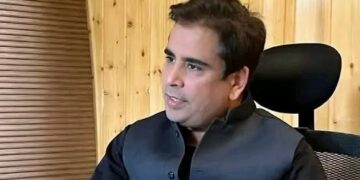









Syed Yunis Bukhari
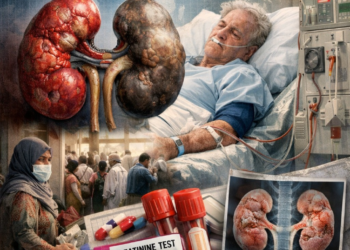
Healthcare in Jammu and Kashmir stands at a critical juncture. Over the years, successive governments have announced reforms, recruitment drives and new schemes, all aimed at strengthening a system strained by geography, conflict and limited resources. Yet, for the ordinary citizen, the experience of illness still often translates into long waits, long journeys and long bills. The central question remains unavoidable: when the healthcare system falters, who truly pays the price?
On the surface, progress is visible. New hospitals have been sanctioned, medical colleges established, and health insurance schemes expanded. Recruitment processes for doctors and paramedical staff are periodically highlighted, creating an impression of steady improvement. But ground realities tell a more complex story. Many primary health centres remain understaffed, specialist services are concentrated in a few urban locations, and district hospitals frequently lack critical facilities. For patients in rural and peripheral areas, access to timely care is still uncertain.
The most immediate cost of these gaps is borne by patients and their families.
A medical emergency often means travelling from remote areas to Srinagar or Jammu, incurring expenses for transport, accommodation and private diagnostics. Even when treatment is provided in government hospitals, medicines and investigations are not always available, forcing families to pay out of pocket. For many households, a single serious illness can wipe out years of savings or push them into debt.
The burden is not financial alone. Delayed diagnosis and referrals can turn manageable conditions into life-threatening ones. In such cases, the price is paid in lost productivity, disrupted education and, at times, irreversible health outcomes. The poor suffer the most, as they are the ones who postpone care or abandon treatment altogether when costs become unbearable.
Healthcare workers, too, pay a hidden price. Doctors, nurses and paramedics often work under intense pressure, handling patient loads far beyond reasonable limits. Staff shortages, frequent transfers and contractual appointments contribute to burnout and low morale. When overworked professionals are stretched thin, the quality of care inevitably suffers, creating a vicious cycle that affects both providers and patients.
Mental health presents another silent crisis. Decades of uncertainty and conflict have left deep psychological scars across the population. Anxiety, depression and trauma-related disorders are widespread, yet mental health services remain limited and stigmatized. The long-term social and economic costs of neglecting mental health are immense, but they rarely feature prominently in policy debates.
At this crossroads, the direction chosen will define the future of public health in the region. Cosmetic fixes and isolated announcements are no longer enough. What is needed is a sustained commitment to strengthening primary healthcare, ensuring equitable distribution of medical staff, and making referral systems efficient and affordable. Health insurance schemes must work seamlessly at the ground level, reducing out-of-pocket expenditure rather than adding layers of bureaucracy.
Most importantly, healthcare must be treated as a public good, not a privilege. The financial risks of illness should not rest on individual families but be shared collectively through robust public systems.
Investment in prevention, nutrition, sanitation and mental health is as critical as building new hospitals.
In the end, the true measure of a healthcare system is not the number of schemes launched or buildings inaugurated, but the assurance it offers to its people that illness will not mean financial ruin, and that care will be available when and where it is needed. If reforms fail to deliver this assurance, it is the common citizen who will continue to pay the highest price.
For Jammu and Kashmir, the choice is clear. The path forward must prioritize equity, accessibility and accountability. Anything less would mean allowing the most vulnerable to shoulder a burden that rightly belongs to the system itself.
About the Author: Syed Yunis Bukhari, Assistant Professor, Department of MLT, University Institute of Allied Health Sciences, Chandigarh University. Email: [email protected]