










































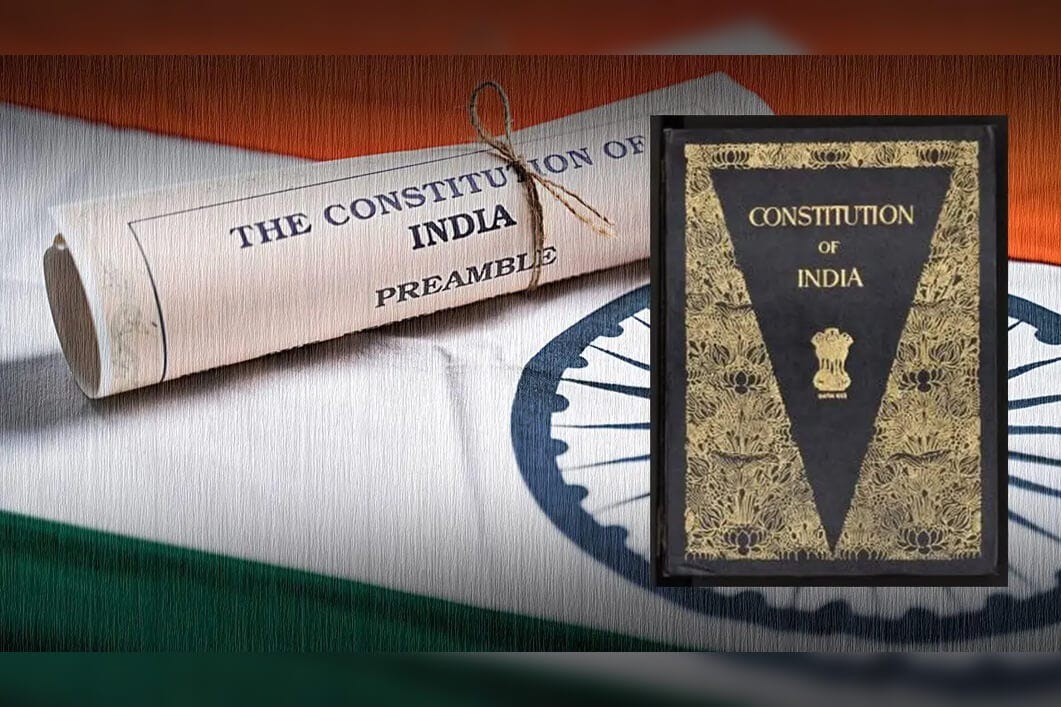
As India marks Constitution Day today, we stand not only in remembrance of a historic milestone but in renewed engagement with a document that continues to define our national journey. The Constitution of India, adopted in 1949, is far more than a compendium of laws. It is a visionary pact, between the State and the citizen, between liberty and order, and among the countless diversities that make up this nation. At its core, the Constitution rests on the principle of justice, the social, economic and political. This triumvirate underscores that democracy must not stop at the ballot box. Justice must percolate into classrooms, workplaces, marketplaces and homes. As India grows, these goals remain evolving obligations, urging policymakers to ensure fairness in opportunity and dignity in living. Complementing justice is the cherished value of liberty, the freedom to think, speak, worship and pursue one’s beliefs without fear. These freedoms are not ornamental, but the engines of innovation, progress and social harmony. In an age defined by digital noise, ideological polarisation and competing narratives, safeguarding liberty with responsibility has never been more critical. The Constitution also places equality at the centre of nation-building. It rejects discrimination and aspires for a society where birth, belief, caste, gender or region do not determine one’s destiny. India has travelled far on this front, yet the journey remains incomplete. The constitutional promise of equality demands constant reflection and sustained effort. Another cardinal ideal is fraternity, a value that often receives less public attention but remains indispensable. Fraternity urges us to see beyond difference and to nurture mutual respect, ensuring that India’s unity rests on empathy, not uniformity. In times of social strain, this principle becomes the quiet but essential glue holding the country together. The Constitution further strengthens democracy through separation of powers, ensuring that no single institution dominates. The balance among the legislature, executive and judiciary is a deliberate design to protect against overreach and preserve accountability. Equally defining is federalism, which recognises that India’s diversity cannot be governed through central authority alone. Cooperative federalism, where states and the Union work as partners, is central to development and stability. On this Constitution Day, the call is not only to honour the framers but to introspect on our own role as citizens. The Constitution remains a living promise, flexible enough to evolve, strong enough to endure and aspirational enough to inspire. Upholding its spirit is not the responsibility of institutions alone, rather a shared national duty.









Independent news agency based in Kashmir, committed to delivering reliable, unbiased, and timely news.