














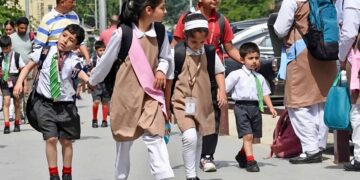





















International Women’s Day highlights the role of women in shaping societies and cultures. In Kashmir, the occasion carries special meaning as women of the Valley continue to contribute significantly to education, arts, sports and public life. Their achievements reflect determination, talent and a deep sense of commitment to society. Kashmir’s cultural history bears testimony to the influence of remarkable women. The 14th century mystic poet Lal Ded remains a towering spiritual figure whose verses continue to inspire reflection and wisdom. Another iconic voice is Habba Khatoon, the celebrated poetess remembered as the Nightingale of Kashmir. Her lyrical poetry captured the emotions and beauty of the Valley and continues to occupy an enduring place in Kashmiri literature. These figures laid the foundation for a rich tradition of intellectual and creative expression among Kashmiri women. In contemporary times, women from the Valley are steadily gaining recognition across diverse fields. In music and performing arts, artists such as Aabha Hanjura have taken Kashmiri folk music to wider audiences, while singers like Mehmeet Syed continue to promote the musical traditions of the region through their work. Sports has produced inspiring achievers as well. Young martial artist Tajamul Islam drew global attention after winning world titles in kickboxing at an early age. Similarly, Sadia Tariq brought pride to Kashmir by winning a gold medal at the World Wushu Championship, highlighting the growing participation of women in competitive sports. In aviation, Ayesha Aziz has emerged as a notable example of ambition and perseverance as one of the youngest commercial pilots from Kashmir. Her success has encouraged many young girls to explore professional paths in aviation and related fields. Adventure and entrepreneurship have also seen the rise of inspiring figures. Masrat Misgar has gained recognition for leading all women cycling expeditions in the Himalayas and promoting adventure sports among women. In academics, scholars such as Nyla Ali Khan have contributed significantly through research and teaching at international institutions. Within Kashmir itself, women have increasingly assumed leadership roles in higher education and intellectual life. Neelofar Khan, who serves as Vice Chancellor of the University of Kashmir, represents the strong presence of women in academic leadership and institutional development. Education has played a crucial role in this transformation. Schools and universities across the Valley now witness a strong presence of female students pursuing careers in science, medicine, technology, humanities and public administration. Their achievements reflect a broader shift in aspirations and opportunities. International Women’s Day in Kashmir therefore reflects both heritage and progress. From the timeless wisdom of Lal Ded and the poetry of Habba Khatoon to the accomplishments of modern artists, athletes, scholars and professionals, Kashmiri women continue to strengthen the cultural and intellectual identity of the Valley with confidence and dedication.








Independent news agency based in Kashmir, committed to delivering reliable, unbiased, and timely news.